Pt.2: Engine Overheating Prevention & Cooling System Maintenance Guide for African Heavy-Duty Truck Fleets
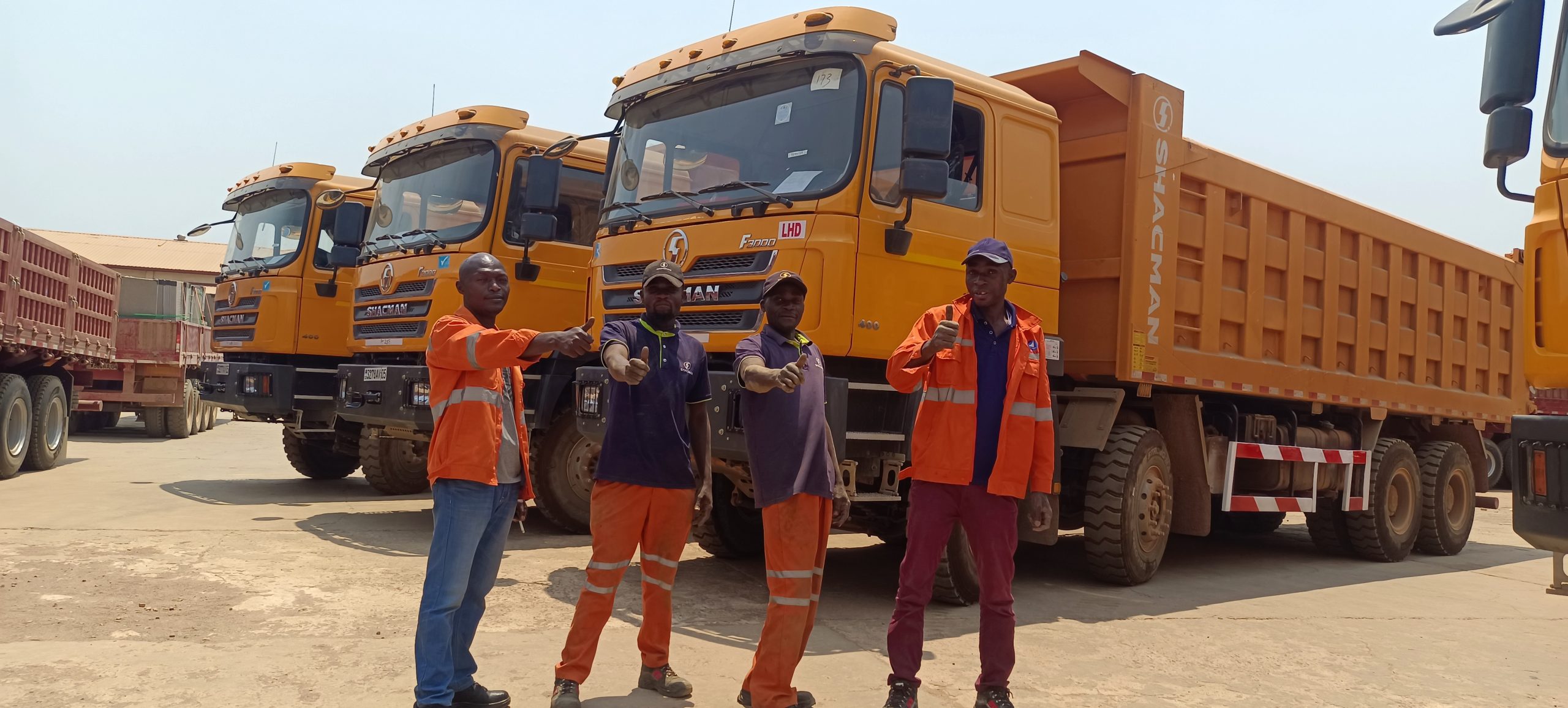
Welcome back to Part 2 of our two-part series on heavy-duty truck cooling systems for African mining and construction fleets. In Part 1, we walked through the real-world overheating failure case and the full structural composition of closed-loop cooling systems for HOWO, Shacman and XCMG heavy-duty trucks. Now we will examine region-specific fault modes, harmful maintenance mistakes and actionable site-based maintenance rules.
Site-Specific Cooling System Failures in African Markets
For African mining and construction fleets, most cooling system failures stem from extreme local operating conditions rather than inherent component quality defects. These fault modes are highly regional, recurring frequently and easily misjudged by inexperienced maintenance personnel.
Dust Blockage Heat Dissipation Failure
Quarrying, mining and construction sites generate massive floating dust, gravel powder and cement particles. Fine dust adheres tightly to radiator fins, forming a dense impermeable dust layer that completely blocks airflow. Most operators only clean the radiator surface, leaving deep fin gap dust untouched. This reduces radiator heat dissipation efficiency by 40%–60%, triggering immediate overheating during uphill and full-load operation.
Coolant Deterioration and Scale Deposition
A large number of African fleets adopt low-quality unqualified coolant or even tap water for emergency supplementation. Impurities and alkaline substances in the liquid precipitate and form hard scale inside water pipes, engine water jackets and radiator tubes. Scale narrows pipe diameters, slows coolant circulation, and causes local overheating. Long-term scale accumulation will deform engine components and shorten engine service life drastically.
Air Resistance Caused by Invisible Leakage
Aging fine water pipes, heater pipelines and loose expansion tank joints have no obvious water leakage traces under static conditions. During high-load operation, tiny gaps suck external air into the cooling loop, forming air resistance. This leads to a typical fault state: stable water temperature at idle speed, but sharp temperature spikes under working load.
Fan Clutch Slippage Thermal Decay
Prolonged high-temperature operation accelerates silicone oil aging and performance attenuation inside the fan clutch. The clutch fails to drive the fan to reach rated speed under heavy load, resulting in insufficient air pressure and heat dissipation volume. The fault is completely invisible during idling but causes total heat dissipation failure during continuous uphill haulage.
Misjudged Maintenance Habits That Accelerate System Damage
Statistics show that over 70% of cooling system damage is caused by incorrect daily operation and maintenance habits, rather than natural component wear.
First, frontal high-pressure water flushing. Many drivers flush the radiator fin surface vertically with high-pressure water guns, causing large-area bending and deformation of thin aluminum fins. Deformed fins permanently block airflow, directly degrading the radiator to a semi-scrapped state.
Second, mixed use of different coolant brands. Coolants from different manufacturers have different chemical formulas. Mixing different products causes chemical reactions, producing colloidal sediments that block pipeline passages and thermostat gaps.
Third, continued operation with slight overheating. Faced with tight construction schedules and heavy transportation tasks, most drivers choose to complete the current working cycle when encountering slight water temperature rises. Repeated high-temperature impact causes fatigue damage to cylinder head gaskets, oil seals and engine sealing components, evolving minor hidden faults into major engine failures.
Standard Maintenance Schedule for Site Heavy Trucks
Daily Inspection
Check the expansion tank coolant level to ensure it stays between the upper and lower scale lines; monitor water temperature changes during uphill operation for abnormal spikes; visually inspect the radiator surface for dust accumulation and all pipelines for seepage and leakage.
Weekly Maintenance
Use a low-pressure air gun to blow dust from the reverse side of radiator fins to remove deep residual dust; check fan belt tension and all pipe clamp fastening status; verify the fan operates smoothly without jitter or abnormal noise.
Monthly Inspection
Test thermostat opening sensitivity and response speed; verify fan clutch high-speed startup performance under load; inspect water pump shaft seal for oil and water seepage; troubleshoot and eliminate all hidden air intake points in the cooling system.
Quarterly Maintenance
Drain and filter the coolant to remove sediment and impurities; clean scale deposits at the bottom of the water tank; inspect the radiator core for blockage, deformation and damage; replace aging and cracked fine water pipelines.
Annual Overhaul
Completely replace full-system coolant; conduct professional deep cleaning of radiator interiors and pipeline scale; inspect water pump impeller wear and fan clutch torque performance; replace aging thermostats, sealing gaskets and vulnerable auxiliary parts.
Conclusion
The cooling system is the most neglected yet highest-risk core system for heavy trucks operating on African sites. Most engine wear, cylinder deformation, gasket burnout and major engine overhauls stem from long-term cumulative minor overheating. Unlike sudden mechanical failures, cooling system faults develop silently and progressively. A single neglected dust blockage or unqualified coolant filling may eventually trigger days of site shutdown and substantial economic losses.
Stable and efficient fleet operation relies not on emergency troubleshooting after failures, but on standardized daily maintenance and sufficient spare parts reserves. Maintaining a healthy cooling system is the core guarantee of extending engine service life and ensuring continuous construction and production progress.
Please contact us if you have any requirements.