Pt.1: Engine Overheating Prevention & Cooling System Maintenance Guide for African Heavy-Duty Truck Fleets
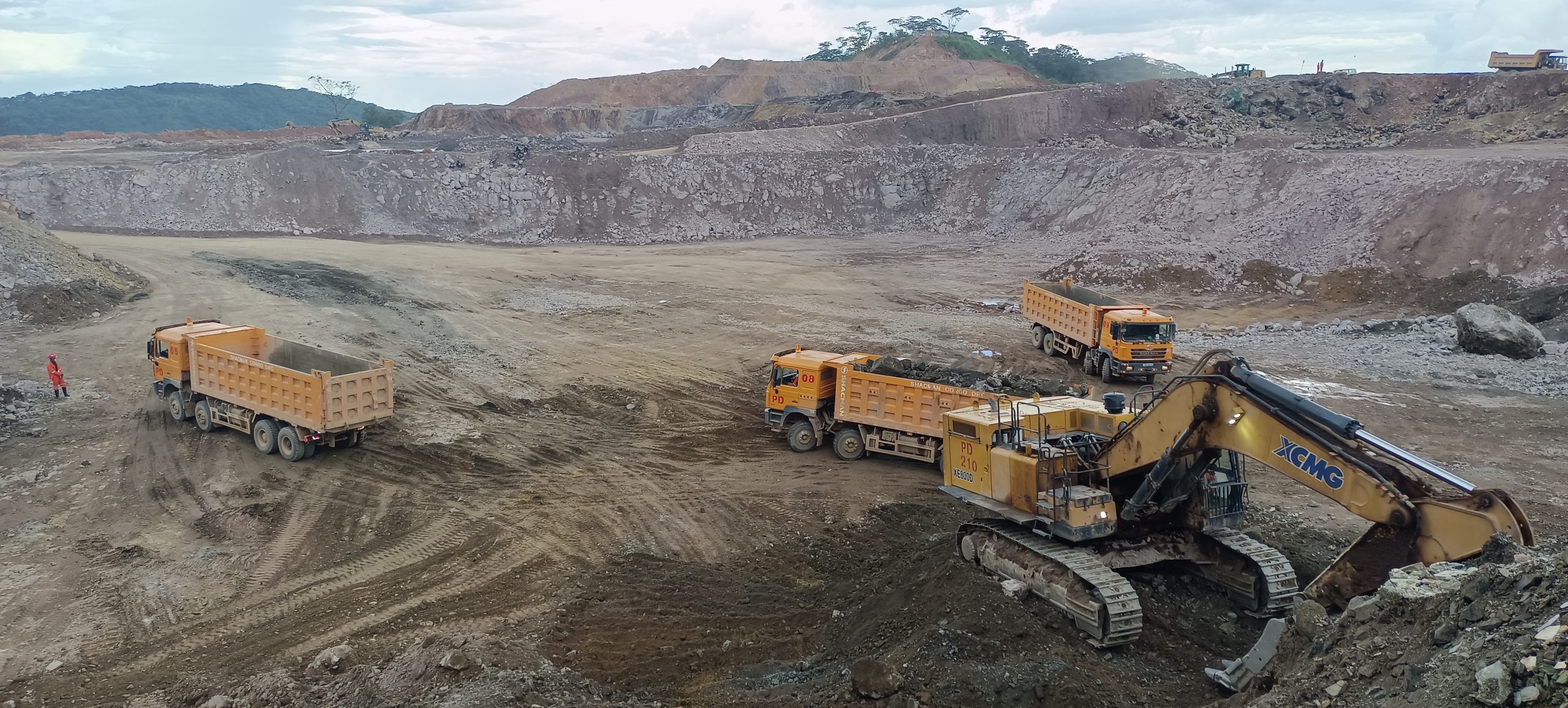
Anyone operating heavy-duty truck fleets across Africa understands a harsh industry reality: engine overheating causes far more unplanned downtime than pure mechanical failures. Last year, I encountered a typical and costly equipment failure at a granite quarry in eastern Ghana. A 40-ton Shacman X3000 tipper truck suffered sudden water temperature spikes during continuous full-load uphill haulage cycles. The driver ignored the dashboard overheating warning and continued operation. Within one hour, sustained overheating severely damaged the engine, resulting in a blown cylinder head gasket and permanent cylinder head deformation.
The faulty truck was stranded on the haul road for three consecutive days. The quarry's loading and transportation efficiency dropped by half while waiting for parts replacement and engine repairs. A trivial cooling system maintenance oversight triggered massive production downtime, with economic losses far exceeding the cost of a brand-new radiator and full-system cooling maintenance.
Most fleet managers prioritize engine assemblies, gearboxes, and clutch systems, yet routinely overlook radiators and cooling systems as non-critical auxiliary components. However, in Africa's high-temperature, ultra-dusty mining and construction environments, the cooling system serves as the engine's core protective barrier. This two-part article elaborates on heavy-duty truck cooling systems: Part 1 covers the complete structural composition of cooling systems, while Part 2 will explore Africa-specific failure modes, harmful maintenance habits and standardized site-based maintenance schedules.
The Complete Structure of Heavy-Duty Truck Cooling Systems
The cooling systems of mainstream Chinese heavy trucks including HOWO, Shacman and XCMG adopt a closed-loop circulating structure, consisting of six core coordinating components: radiator core, expansion tank, thermostat, water pump, cooling fan assembly, and full set of water pipelines. Unlike highway trucks designed for stable road conditions and light loads, mining and construction trucks endure long-term heavy-load operation, frequent idling, and severe dust erosion, requiring higher heat dissipation efficiency and stricter sealing reliability for cooling systems.
Radiator Core
As the core heat dissipation component, the radiator is assembled with dense aluminum water tubes and layered cooling fins. Ambient cold air penetrates the fin gaps and carries away heat from the circulating high-temperature coolant. Most Chinese heavy-duty radiators adopt dense fin structures, specially optimized for tropical high-temperature climates. The upper and lower water tanks fully seal the core body to ensure complete and uniform circulation of coolant and maximize heat dissipation area.
Thermostat
The thermostat acts as the intelligent temperature control switch of the cooling system, switching between small and large coolant circulation modes. During cold engine startup, the thermostat closes to activate small circulation, rapidly raising the engine operating temperature and reducing component wear. When the coolant temperature rises to 80℃–85℃, the thermostat opens automatically to switch to large circulation through the radiator, maintaining the engine at a constant optimal working temperature. Stuck, aging or insensitive thermostats are the primary hidden cause of intermittent engine overheating.
Water Pump
Driven by the engine drive belt, the water pump provides continuous circulating power for the entire cooling system. Internal impeller wear, increased bearing clearance, and shaft seal leakage will directly reduce coolant circulation flow and pressure. Even with an intact radiator, insufficient circulating power will lead to poor heat dissipation and sustained high water temperature under load.
Cooling Fan & Fan Clutch
Most heavy-duty trucks are equipped with silicone oil fan clutches. The fan runs at low speed during low-temperature operation to reduce power consumption and fuel waste. When the coolant temperature rises or the vehicle operates under heavy load, the clutch automatically increases the fan speed to boost air volume and heat dissipation efficiency. A locked fan clutch causes excessive fuel consumption, while a slipping clutch leads to insufficient heat dissipation and severe overheating during uphill haulage.
Expansion Tank & Pipeline Assembly
The expansion tank balances internal system pressure and compensates for coolant volume changes caused by thermal expansion and contraction. Aging rubber pipelines, loose pipe clamps, and micro cracks induce invisible air intake inside the closed loop. The formed air resistance blocks normal coolant circulation, directly undermining the cooling system's heat dissipation performance.
Stay tuned for Part 2,
Please contact us if you have any requirements